AI Lawyer Blog
Trump’s 2026 Global Surcharge and Front-Line Legal Risk

Greg Mitchell | Legal consultant at AI Lawyer
3
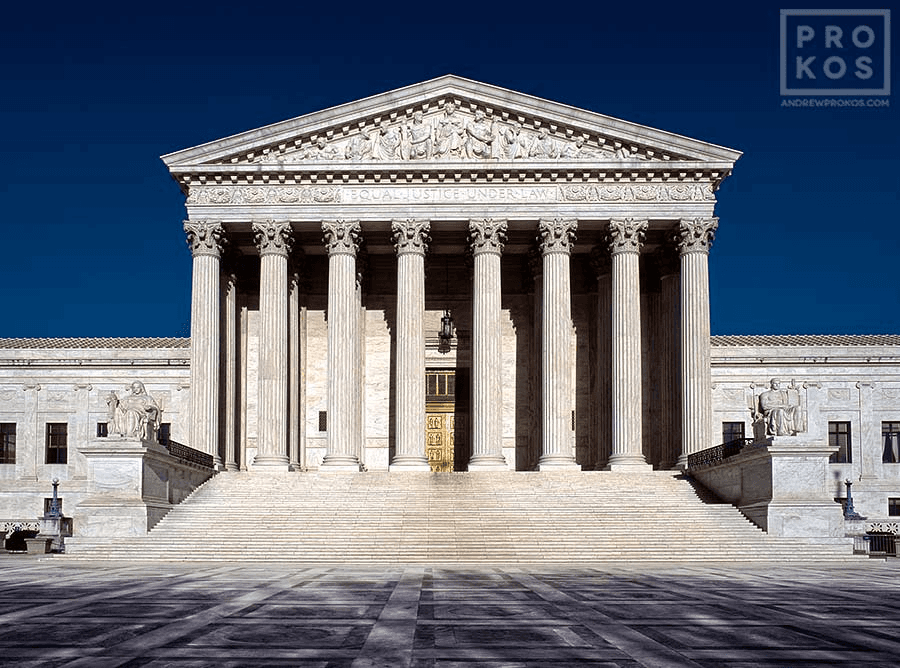
February 20, 2026 is the hinge date in this story, not because tariffs suddenly disappeared, but because one core legal theory collapsed. When the U.S. Supreme Court ruled against President Trump’s use of the International Emergency Economic Powers Act (IEEPA) as authority for sweeping tariffs, it closed the legal path that had been carrying a major part of the tariff program. What business got that day was not clarity. It got a reset under pressure.
For legal and compliance teams, this kind of ruling does not feel like a clean win or loss. It feels like a forced rewrite. The government loses one theory, then starts moving toward another. Meanwhile, companies still have goods in transit, contracts priced on old assumptions, and reporting obligations that do not pause while Washington retools. The result is the kind of scramble that starts in customs and procurement, then spreads into finance, disclosure, and litigation planning.
This is why the legal impact matters beyond the headline. Tariff programs are not only policy instruments, they are operating systems for private companies. Once a court rejects the statutory basis for a duty layer, every dependent decision has to be revisited: landed cost models, pass-through clauses, shipment timing, reserve assumptions, and document retention for disputes that may be coming next. In practice, legal uncertainty becomes commercial uncertainty within hours.
The White House response reinforced the point. It moved quickly to turn off the IEEPA-based duties through executive action, while leaving broader emergency declarations and other policy tools in place. That is a legal pivot, not a policy retreat. Ending the IEEPA duty layer is not the same as ending tariffs as a project.
For counsel, the key question after February 20 was no longer, “Are tariffs over?” The real question became, “Which tariff theory just ended, and what theory is about to replace it?”
The replacement: a 10% “temporary import surcharge” under Section 122
The replacement did not arrive as a retreat. It arrived as a proclamation. After the Supreme Court knocked out the IEEPA tariff theory, the administration moved to a different statutory hook and imposed a 10 percent temporary import surcharge, effective February 24, 2026. From a policy perspective, the message was continuity. From a legal perspective, the message was adaptation.
Then CBP did what makes trade measures real, it operationalized the rule. Once customs guidance starts translating presidential language into entry treatment, HTS application, timing, and exceptions, the issue stops being a headline and becomes a payable obligation. For companies with goods already moving, the difference between announcement date and effective date suddenly matters as much as the legal theory itself.
For counsel, the most important fact is not only the rate. It is the structure. A 10 percent surcharge for a defined period signals that the administration was not simply replacing one tariff with another on policy grounds. It was selecting a legal form that could move quickly, survive immediate operational scrutiny, and buy time after losing IEEPA.
That choice tells you a lot about litigation posture. The administration needed something that could take effect fast. It needed a statutory basis that was not IEEPA, because IEEPA had just failed in the Supreme Court. And it needed a framework that could hold long enough to preserve negotiating leverage and give businesses no easy assumption that tariff pressure had ended.
Section 122 served that function well. It offered a bridge, not a permanent destination. In practical terms, that is often enough. A bridge statute can still reshape pricing, shipment timing, customer communications, and quarterly forecasts. It can also force legal departments to reopen contract interpretation questions that were supposedly settled a week earlier.
So the real replacement was bigger than a new 10 percent line item. It was a replacement of legal theory under active pressure. The tariff project continued, but under a different title, a different statutory rationale, and a new set of vulnerabilities that lawyers now had to map in real time.
Why Section 122 is legally fascinating (and practically dangerous)
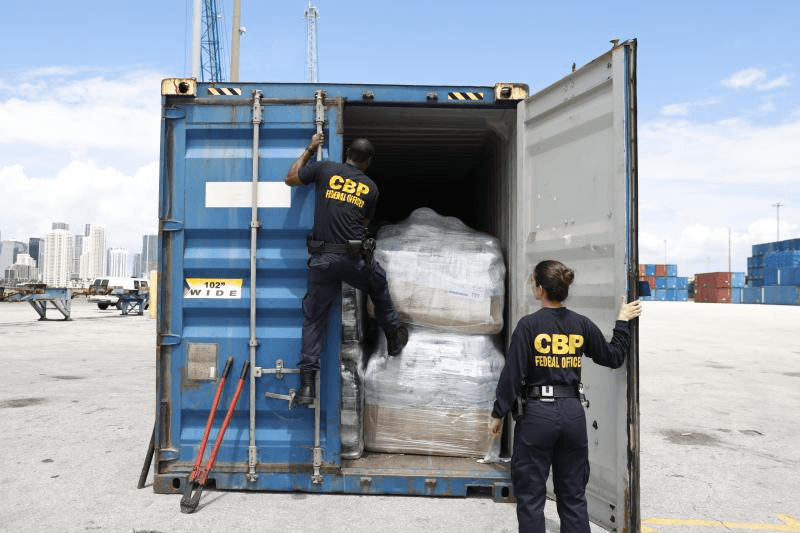
Section 122 is the part that makes trade lawyers lean forward, because it is both narrow and powerful at the same time. Reuters described it as a never-used authority that allows duties of up to 15% for up to 150 days to address serious balance-of-payments problems, with congressional approval required for anything longer. That combination matters. It gives the executive branch speed, but only for a limited window.
From a legal design perspective, this is a classic bridge statute. It is built to move first and settle arguments later. That can be effective in policy terms, especially after the government loses a major Supreme Court fight and needs a replacement mechanism immediately. But for companies that have to price products, route shipments, and make disclosure decisions in real time, a bridge is not stability. It is a countdown.
That is why Section 122 is practically dangerous even if it is legally available.
First, it front-loads uncertainty. Businesses have to decide now whether to reprice, reroute, delay, or absorb cost, even though the legal and political architecture may look different well before the 150-day period ends. Counsel cannot wait for perfect clarity because operations move faster than litigation, and customs entries do not pause while everyone debates statutory theory.
Second, it invites a second wave of challenges. When an administration is forced to switch authorities under pressure, challengers usually do not treat that pivot as the end of the case. They treat it as the next target. The litigation logic changes from "Was IEEPA a valid tariff tool?" to "Is Section 122 being used in a way that fits the statute and survives review?" That is not less risk. It is different risk, on a faster timeline.
So the Supreme Court ruling did not end the tariff story. It changed the chapter title. What had been framed as an emergency-powers tariff fight became a balance-of-payments surcharge fight, with a shorter fuse and a new set of legal questions that businesses had to absorb immediately.
The 10% that might become 15%, and why the gap matters legally
On the first day of implementation, a second kind of confusion surfaced. It was not about whether the IEEPA theory had ended. It was about the rate, and about the difference between public messaging and what customs was actually collecting at the border.
That gap matters more than it looks. In trade compliance, companies do not pay headlines. They pay what CBP applies under formal legal instructions. If public statements suggest one number while entry processing reflects another, legal teams are forced to manage two risks at once: immediate payment risk and communication risk.
The immediate risk is operational. Importers need to know what rate to use in landed-cost calculations, pricing updates, and shipment decisions. A five-point swing can change whether a product line remains viable for the quarter, especially in low-margin categories. What looks like a policy detail in Washington becomes a margin event in accounting and procurement within hours.
The communication risk is just as serious. If a company tells customers, investors, or internal business units that the surcharge is effectively one rate, then has to revise that position days later, the problem is no longer only customs compliance. It becomes a controls and disclosure issue. Fast tariff changes test whether the organization can update assumptions without creating inconsistent statements across sales, finance, and legal.
This is the point where counsel needs to move from monitoring to contract analysis. The core questions are practical and urgent. Do customer agreements treat tariff increases as pass-through costs, or does the company absorb them? Do supplier contracts allow repricing, or do they lock terms and push risk downstream? Are internal systems able to update cost models quickly without causing errors in classification, invoicing, or customs entry workflows?
The legal significance of a possible move from 10% to 15% is not just the extra five points. It is the way that uncertainty itself compounds exposure. A stable 15% can be modeled. An unstable 10% that may become 15% on short notice creates timing disputes, pricing disputes, and avoidable mistakes in execution. In other words, the gap matters because it is not only a math problem. It is a governance problem.
What didn’t go away: other tariff layers stay standing
The most common mistake after a court driven tariff shift is to treat the change as a reset to normal. It is not. The executive action that turned off the IEEPA based duties was targeted. It removed one duty layer. It did not wipe the broader trade enforcement landscape clean, and it did not end the underlying emergency posture.
For legal risk management, the right translation is simple: do not assume the system is normal again. Assume it is layered.
That framing changes how counsel should advise the business. The question is no longer just whether a specific IEEPA duty still applies. The question is what still applies, in what sequence, and under what exception logic. If a company answers only the first question, it can still get the total landed cost wrong.
This is why experienced trade teams go back to fundamentals the moment Washington changes course. Classification, valuation, and origin are not routine back office mechanics in a moment like this. They become the control points that determine whether the company is paying the right amount, overpaying without recovery, or underpaying and creating exposure.
The practical risk is cumulative. A business may correctly recognize that one tariff layer has ended, then accidentally carry forward outdated assumptions about another layer, or fail to update internal rules that stack duties in the correct order. That kind of error does not look dramatic on day one. It shows up later in audits, disputes, margin surprises, and difficult conversations about who approved what.
So the legal takeaway is procedural, not political. When one tariff theory falls, counsel should not announce the end of tariff risk. Counsel should map the remaining layers, confirm how they interact, and make sure operations are using current logic across entry filings, pricing, and contract administration.
The refund war: $175 billion, a Supreme Court ruling, and a crowded courthouse
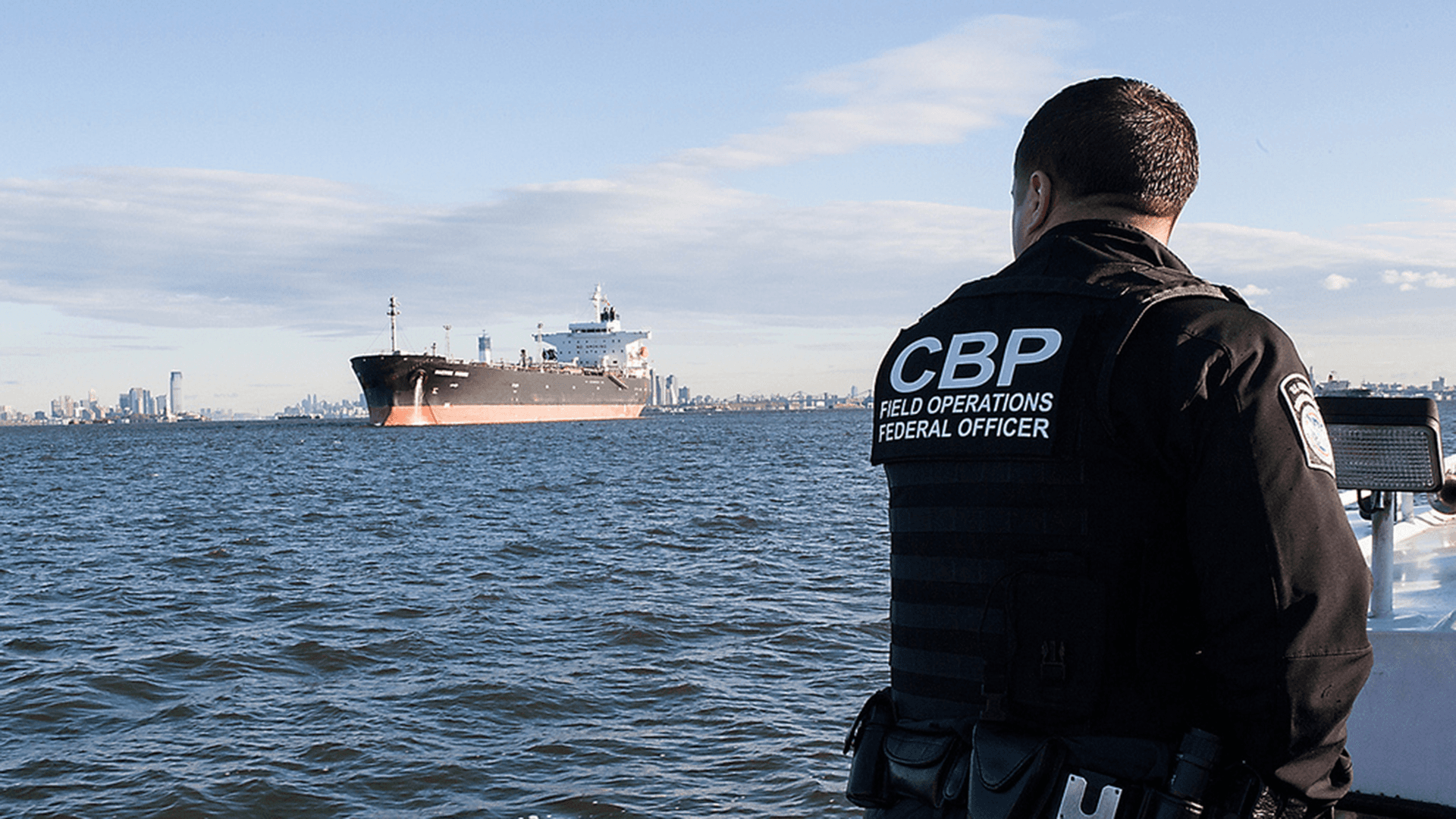
The Supreme Court did not hand businesses a clean refund check. It handed them a legal opening, and an opening is not the same thing as recovery. Refunds now move through customs procedure, administrative timing rules, and litigation strategy, with the Court of International Trade likely to become one of the busiest rooms in this entire tariff story.
That is why the next phase is not really about whether companies feel overcharged. It is about whether they can preserve and prove claims in the right forum, on the right timeline, with the right records. In tariff disputes, the merits matter, but procedure often decides who gets paid and who gets nothing.
The political system is already reacting to that pressure. Reports about proposed refund legislation, including attention to small businesses and manufacturers, show that lawmakers understand the scale of the problem. But counsel should treat legislation as a possible path, not the only path. Statutory relief can move slowly, change shape, or stall, while customs deadlines continue to run.
At the same time, private litigation activity is accelerating. Law firms do not wait for a final policy consensus when a major tariff theory collapses and large sums are in play. They start evaluating claims, coordinating plaintiffs, and testing litigation routes. That is how a tariff dispute turns into a courthouse crowding problem very quickly.
For practitioners, the immediate takeaway is procedural. Preservation becomes everything. Protest rights, filing timing, liquidation status, entry level documentation, internal communications on pricing assumptions, and proof of payment can all become outcome determinative. A company with a strong substantive position can still lose recovery because its paperwork is late, incomplete, or inconsistent.
This is the hidden discipline of the refund war. Clients often want a headline answer to a legal event, especially after a Supreme Court ruling. What they actually need is a claims strategy. Which entries are potentially affected, which deadlines are approaching, what has liquidated, what can still be protested, what needs to be preserved now, and what forum is most realistic for recovery.
The number attached to this fight, whether framed at $175 billion or otherwise, matters because it signals scale. But scale is not a legal strategy. In the weeks after a ruling like this, the companies that protect recovery are usually not the ones with the loudest reaction. They are the ones that treat refunds as a process problem on day one.
A hidden legal risk most clients miss: using old customs assumptions in new contracts
When tariff rules change quickly, clients tend to focus on customs entries first. That makes sense, but it also creates a blind spot. Some of the most expensive mistakes happen outside customs, in ordinary commercial contracts that continue using assumptions built for a tariff framework that no longer exists.
This is where legal teams can add outsized value. Customs determines what is owed at the border. Contracts determine who ultimately bears that cost. If the company updates one and not the other, it can be compliant at entry and still lose money by agreement.
The problem usually starts with legacy language. Many supply, distribution, and customer contracts were negotiated under a specific tariff baseline, even if that baseline was never stated directly. Pricing formulas, pass through clauses, force majeure language, change in law provisions, and renegotiation triggers may all assume a stable tariff environment. Once the legal basis for a duty layer is struck down and a temporary surcharge takes its place, those assumptions stop being reliable.
That creates disputes in both directions. Customers may argue that a temporary surcharge should not be passed through because the contract only contemplates permanent duties or clearly defined tariff schedules. Suppliers may argue that they are entitled to repricing immediately because any government imposed import cost qualifies as a change in law. If the drafting is loose, both sides can sound plausible, which is exactly what turns an operational issue into litigation.
There is also a sequencing problem that clients often miss. Business teams may send revised quotes or pricing notices before legal reviews the contractual basis for the change. Once those communications go out, they can become evidence of interpretation, waiver, or inconsistent treatment across counterparties. A tariff response that feels commercially urgent can quietly weaken the company’s legal position.
The practical fix is not complicated, but it does require discipline. Counsel should identify high volume contract templates and active negotiations that rely on tariff related assumptions, then update the language while the law is still moving. The goal is not to predict the final tariff regime perfectly. The goal is to draft for volatility: define pass through rights clearly, specify what counts as a duty or surcharge, address temporary government measures, and align notice mechanics with how the business actually operates.
In moments like this, the biggest legal losses are not always paid to customs. Sometimes they are conceded in contracts that were never revised after the tariff theory changed.
A practical legal playbook: what counsel should do in the first 30 days

This is the section most legal teams can use immediately, because this is where tariff volatility turns into workstreams, owners, and deadlines. The first 30 days are not about predicting the final policy outcome. They are about preventing avoidable errors while preserving flexibility if the rate changes again or litigation opens a refund path.
The core principle is simple: treat this as a cross-functional legal event, not a customs-only issue. If customs, procurement, finance, sales, and litigation teams are all reacting separately, the company will produce inconsistent decisions and inconsistent records. Counsel’s job is to create one operating narrative and make sure the documentation supports it.
A. Identify where the surcharge actually bites
Start with a map, not a memo.
Build a working inventory of affected imports by SKU, HTS classification, supplier, origin, shipment status, and entry date. Entry date matters because timing drives whether the surcharge applies, and timing mistakes can cascade into pricing and reserve errors. Do not rely on product category labels or internal shorthand. Use the actual customs logic the company files on.
Then separate likely affected goods from goods that may fall into exemptions or different treatment under the proclamation and CBP guidance. This is where companies often lose time by arguing policy intent instead of checking classification and entry mechanics. Legal teams should push for a line-by-line validation process on the highest value import streams first.
A practical triage approach helps:
high-value, high-volume goods first
low-margin goods second, because tariff shifts can make them unprofitable quickly
strategically sensitive goods third, where delays or repricing could disrupt key customers
B. Stress-test tariff language in contracts
Once the customs map exists, move immediately to contract exposure. A company can file correctly at the border and still absorb losses unnecessarily if its agreements do not allow cost pass-through or repricing.
Review active customer and supplier agreements for:
change-in-law provisions
tariff or tax pass-through language
price adjustment windows and notice requirements
Incoterms and duty allocation
renegotiation triggers tied to cost changes
limitation of liability clauses that may affect recovery disputes
The key question is not whether the contract mentions "tariffs" generally. The key question is whether the wording clearly covers temporary surcharges, emergency trade measures, and rapid rate changes. If the language is vague, business teams may act on assumptions that are legally contestable.
This review should also extend to current negotiations and template agreements. Volatility is exactly when bad language gets copied forward. Counsel should update templates now so the next round of contracts reflects a moving tariff environment instead of a stable one that no longer exists.
C. Prepare the refund track now, even if no claim is filed yet
Do not wait for a final political or judicial answer before organizing refund-related records. By the time the path is clear, missing data and inconsistent records can already weaken the claim.
Create a refund readiness file that tracks:
entries potentially tied to the invalidated IEEPA tariff regime
payment records and dates
liquidation status
protest status and deadlines
classification support and rulings
internal communications on pricing and tariff treatment
broker data and document custody
This is where coordination with customs brokers and trade counsel becomes outcome critical. Refund efforts often fail on process gaps, not because the underlying legal theory is weak. If the company later litigates or files administrative claims, consistency across entries, classifications, and internal explanations will matter far more than a broad fairness argument.
If litigation is reasonably possible, counsel should also align internal teams on a single factual narrative early. The company does not need perfect certainty, but it does need disciplined documentation.
D. Build a response plan for a possible 10% to 15% change
Even if the current collection rate is 10%, counsel should not treat that as fixed for planning purposes if public signals suggest upward movement is under consideration. The legal lesson from this cycle is that rate changes can move faster than internal approval chains.
That means the company needs a pre-approved playbook for rapid action:
scenario pricing at current and higher rates
internal sign-off paths for price updates
customer communication templates
escalation triggers for margin thresholds
finance and disclosure coordination if tariff impact becomes material
customs and broker validation steps if a new proclamation or order is issued
This is not overreaction. It is governance. A company that prepares for a fast rate shift can act consistently and defend its decisions later. A company that improvises under deadline pressure is more likely to create contradictory communications, pricing errors, and control failures.
The first 30-day goal
The goal in the first month is not to "solve tariffs." It is to stabilize the company’s legal and operational posture while the tariff framework is still moving.
Counsel should aim to leave the first 30 days with:
a verified exposure map
a contract risk assessment
a refund preservation process
a rate-change response protocol
one coordinated internal narrative across teams
That is what turns a tariff shock into a manageable legal program, even when the policy itself remains unstable.
Why this moment is bigger than tariffs: executive power, statutory pivots, and compliance whiplash
The deeper story here is not only about trade policy. It is about how modern legal risk moves when one branch of government blocks a tool, the executive shifts to another statute, and businesses are forced to keep operating before the institutional argument is settled.
That is why this moment feels larger than a tariff dispute. The Supreme Court did not end the pressure campaign. It narrowed one route. The administration responded by pivoting to a different route. Congress then became the next open variable, both on the question of what happens after the 150-day Section 122 window and on whether refund legislation advances. For companies, all of this unfolds at once, not in neat sequence.
This is what compliance whiplash looks like in practice. Legal teams are asked to apply rules that may be valid today, contested tomorrow, and replaced next week, while shipments still move, invoices still issue, and quarterly reporting deadlines still arrive on time. The law is changing at institutional speed. Business obligations are moving at operational speed. Those clocks do not match.
That mismatch creates a type of risk that many executives underestimate. They think the primary exposure is the tariff rate itself. Often the larger exposure is inconsistency: one set of assumptions used by customs, another by finance, another by sales, and a fourth by outside counsel preparing for litigation. When a company is forced to comply in motion, coordination becomes as important as legal interpretation.
So yes, this is a tariff story. But it is also a story about executive power under constraint, statutory improvisation after judicial loss, and the burden placed on private companies when the state changes legal theories in real time. What businesses are managing is not only cost. They are managing institutional friction, translated into contracts, entry summaries, and board-level risk decisions.
Closing scene: the law as a clock
Back to the spreadsheet.
The general counsel asks for a clean answer. The team wants one too. In a calmer regulatory cycle, maybe they would get it. But this is not a calm cycle, and tariffs in 2026 do not offer clean answers very often. They offer defensible answers, provisional answers, answers that are correct at 4:00 p.m. and need to be checked again before midnight.
That is the real shift this episode reveals. The law is no longer experienced as a static rule that arrives, settles, and stays put long enough for everyone to adjust. It is experienced as timing. A Supreme Court ruling on Friday. A proclamation over the weekend. CBP guidance on implementation. Contract notices on Monday. Pricing calls by Tuesday morning. Litigation hold questions before lunch.
Each function reads a different clock.
A customs broker reads the CBP message and asks what applies at entry. A trade lawyer reads the proclamation and asks what the statute can actually support. A litigator reads the Supreme Court opinion and starts thinking about the next challenge, not the last one. Finance asks what to reserve. Sales asks what to tell customers. Procurement asks whether to accelerate or delay shipments. The board asks whether this is temporary or structural.
All of them are asking the same question in different language: what is true right now, and how long will it stay true?
That is why this tariff story became front-line legal risk. Not only because of the rate. Not only because of executive power. Because the governing variable became time itself. Effective dates, filing dates, protest deadlines, liquidation status, notice windows, quarter close, earnings calls. The legal risk is not just what the government can do. It is when the government can do it, and how fast the company can respond without contradicting itself.
So the closing image is still the screen full of SKU numbers, HTS classifications, and delivery dates. Someone is still watching the clock. Someone is still checking whether the next shipment lands before or after a timestamp. Because in this moment, the law does not arrive like a stable framework.