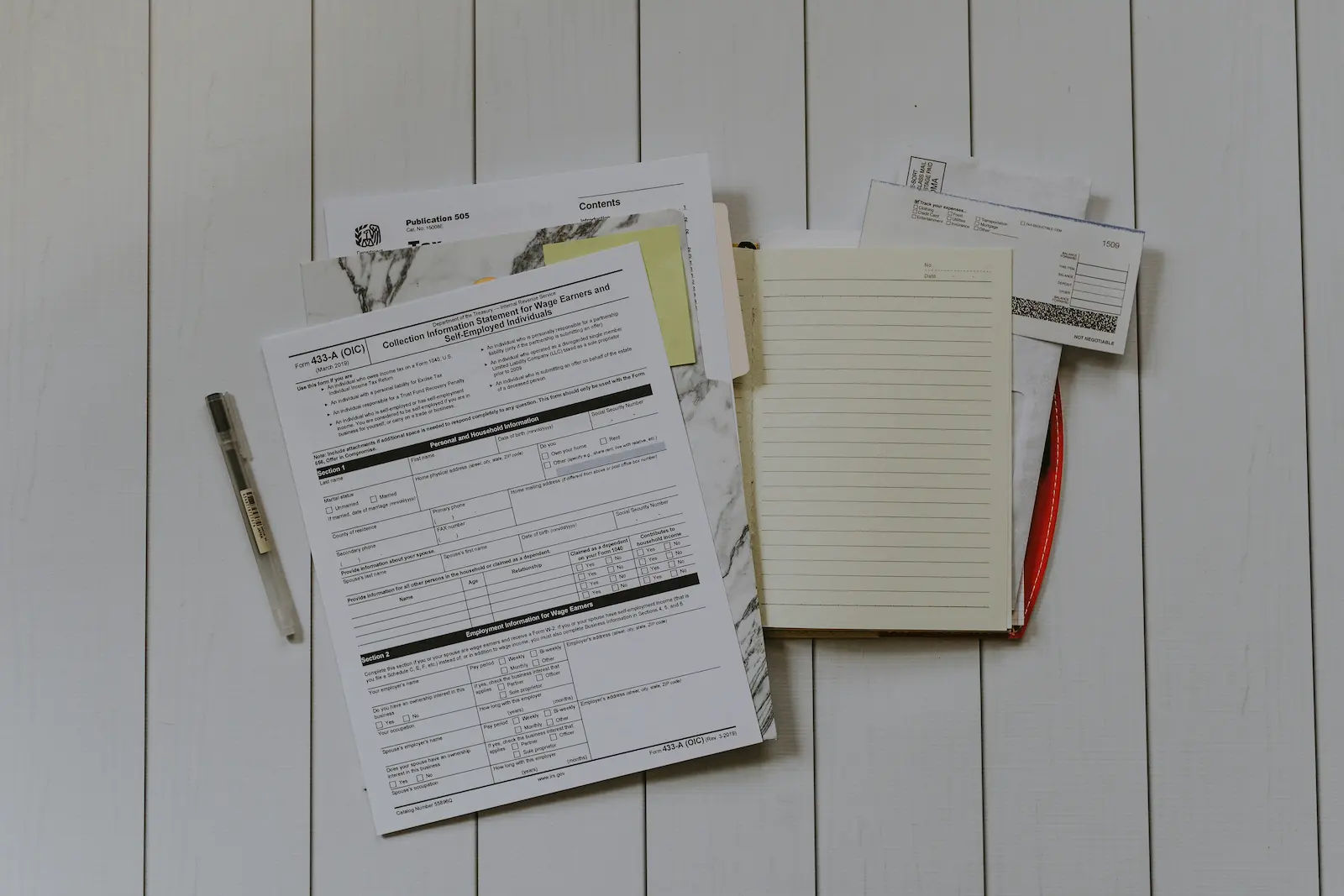



Last week a friend texted me a screenshot of a notice with one line circled in red, then followed it with: “Should I be worried?” I’ve seen that same question echo through my inbox in different forms — different documents, different stories, same tight feeling in the stomach. The phrase ICE raids shows up in people’s conversations like a fire alarm, even when no one is sure what it means for them personally.
I’m not here to scare you. One thing I’ve seen again and again is that fear grows fastest when people don’t know what’s real in their own paperwork — so every rumor feels like a personal warning. In the last stretch, there have been more anxious questions, more confusion about notices and deadlines, and more people trying to make big decisions while they’re still guessing.
In this guide, I’ll show you how to check your status, build a calm plan, and understand your rights — without spiraling. This is general information, not legal advice.
You Might Also Like:
-
Medical debts may affect credit scores again: What to do if it damaged your credit?
-
Finding the Best Criminal Lawyer Near Me: How AI Lawyer Can Help
What changed in immigration enforcement
When people message me about immigration raids, the first thing I hear isn’t a legal question — it’s a change in the emotional weather. In different situations, the same few patterns show up again and again.
One pattern is that people are hearing about “operations” more often — through friends, workplaces, group chats, or headlines — and the idea of enforcement starts to feel closer, more personal, more immediate. When information is vague, anxiety still feels specific — and it spreads faster than facts.
Another pattern is that paperwork suddenly matters more in people’s minds. Deadlines, addresses, notices, receipts — things that were “I’ll deal with it later” become “wait, did I miss something?” A missing document often triggers panic before anyone checks what it actually means.
A third pattern is what I call “confusion-first” moments: people receive something (a letter, a status update, a rumor framed as a fact) and they don’t know what it is or what it triggers. Confusion creates a vacuum, and fear rushes in to fill it.
Lately, conversations have shifted from “What happens next?” to “Am I already in trouble?” That mindset pushes people toward rushed decisions. Stress makes people skip the one step that brings clarity: verifying what’s true in your records.
Here’s the bridge I come back to every time: the atmosphere can feel intense, but your real safety starts with knowing your actual status. Once you know what’s real, the noise gets quieter — and planning gets easier.
Who is actually at risk: a quick reality check
When people ask me if they’re “safe,” I start with a simple reality check: risk isn’t about feelings or rumors — it’s about what your current status and recent history look like on paper. This isn’t meant to label anyone or scare them. It’s a way to decide how prepared you should be, and what you should verify next.
High risk
If you’re in this zone, it usually looks like one (or more) of these situations:
-
You have a final order of removal/deportation (even if it’s old).
-
You missed a court hearing in the past (especially if you moved and never got the notice).
-
You’re currently out of status or overstayed, and there’s no active, documented process that covers you.
-
You had a recent contact that created an official record (for example, an arrest or a booking), and you’re unsure what it triggered.
What it means: If you’re here, you should check your immigration status that apply to you and have key documents and trusted contacts ready before stress forces rushed choices.
Medium risk
This is where I see the most uncertainty — and the most “I thought I was fine” messages:
-
You have something pending, but you’re not fully sure what stage it’s in or whether you missed a request or deadline.
-
Your address has changed recently, and you can’t confidently say every agency has the correct one.
-
Your status depends on a specific condition (like school enrollment or employment), and that condition recently changed.
-
You have an old case number or A-Number, but you’ve never looked up what it currently shows.
What it means: If you’re here, you should double-check your current status and make sure your paperwork matches your real life — same name, same address history, same dates.
Lower risk
Lower risk doesn’t mean “zero risk.” It usually means you’re less likely to be caught off guard by a basic status review:
-
You have lawful permanent residence or U.S. citizenship documentation (and it’s current and accurate).
-
You have a clearly valid status with a straightforward end date or clear conditions you’re meeting.
-
Your records are consistent: your name, DOB, and key numbers match across documents, and you’re not missing notices.
-
You have a clean, organized folder of your key documents and know who you’d call if something felt off.
What it means: If you’re here, staying organized and keeping your records consistent reduces the chance that confusion turns into unnecessary stress later.
I’ll say it the way I say it to friends: risk isn’t a verdict. It’s a planning tool. The goal is not to panic — it’s to prepare in proportion to reality.
Why it can affect people who think they’re safe
People build a mental model of safety, and most of the time it works — until reality doesn’t follow that clean script. Day-to-day life can feel stable while a record, a missed update, or one stressful interaction creates uncertainty you didn’t expect.
Data and identity errors
Records aren’t always perfect. Names get spelled differently, dates get entered wrong, old addresses linger, and systems don’t always sync the way people assume. Small record mismatches can create real problems when databases don’t align. I’ve seen people panic because one system showed a detail that didn’t match the document they trusted — sometimes it’s a fixable error, but it still triggers fear.
Checks by association
Sometimes people end up in an immigration-related interaction not because they were “targeted,” but because they’re present when checks are already happening — at work, after a traffic stop, or in a household situation where someone else is the main focus. Being nearby can turn into being involved when a situation already includes identity checks. It doesn’t mean you did something wrong; it means context can pull you into questions you didn’t plan for.
Escalation under stress
Stress, language barriers, misunderstanding a question, or responding too fast can turn a routine moment into a complicated one. Panic changes how people speak and decide, and that can raise the stakes fast. I’ve seen panic do more damage than paperwork because people start guessing, over-explaining, or agreeing to things they don’t fully understand.
The takeaway is simple: confusion creates risk faster than facts do. In the next section, I’ll show you the exact checks that help replace guessing with clarity.
How I tell people to check their status (step by step)

Uncertainty grows when different records don’t match each other, so the first move is always the same: confirm what the official systems actually show. A few verified checks can turn a blurry situation into a clear snapshot, so decisions are based on documents — not assumptions.
This is about alignment. I want your identifiers, address, and case information to match across the places that matter. If they match, you can plan calmly. If they don’t, the mismatch tells you what to clarify.
I-94: what it is, where to find it, and what D/S actually means
Your I-94 is the arrival/departure record that reflects your entry and admission terms. When someone asks me about i 94 status, I start here because it’s a baseline tied to how you were admitted.
A short government definition helps set expectations:
“Form I-94 records the arrival and departure dates of people visiting the U.S.” — USA.gov guidance on the Form I-94 arrival-departure record
I use that line because it frames the I-94 as a factual record, not reassurance. It documents what was recorded at entry.
To check i 94 status online, use CBP’s official I-94 retrieval site. “Class of Admission” tells you how you were admitted, and “Admit Until Date” tells you the limit when there is one.
D/S is the other tripwire. D/S generally means your stay is tied to “duration of status,” not a single calendar date. A fixed date is straightforward planning. D/S usually means permission depends on maintaining the underlying status conditions.
One common mistake: people assume the visa sticker controls the stay end-date even when the I-94 shows something different.
USCIS case status: why “pending” still needs attention
This is where I see the most false calm. A pending case can look quiet even when time-sensitive requests exist. When you check us immigration case status, you’re watching for updates and notices that may require action.
USCIS Case Status Online is the right place to start, and the result should be matched to the actual notices you’ve received. The status page is only useful if it connects to what arrived in the mail and what was filed. The usual failures are logistical: an address that wasn’t updated, a letter that sat unopened, or a deadline that got misunderstood because the status still looked “pending.”
Save what proves your timeline. Keep the receipt number, keep copies of what you filed, and keep a short list of dates you sent or received anything.
EOIR case status: how people discover a case they didn’t know they had
EOIR is the immigration court system under the U.S. Department of Justice. An eoir case status check helps confirm whether a court case exists and what stage it’s in. People sometimes discover something here after a move, missed mail, or confusion about which agency was handling what.
For eoir case status online, use EOIR’s Automated Case Information system (ACIS). If you have an A-Number, use it. An A-Number functions like a key identifier that can connect records across systems.
If what you see doesn’t match your understanding, don’t solve it with assumptions. Write down what you saw, double-check the identifiers you entered, and treat any mismatch as a cue to get professional guidance.
If someone is detained: the locator step that matters (and what the family should do first)
This is the moment I hear the most shaking voices. When someone may be detained, families need a calm sequence more than speed. The official ICE detainee locator is ICE’s Online Detainee Locator System.
Before searching, gather what makes results more reliable: full name (including alternate spellings), date of birth, country of birth, and the A-Number if available. Good identifiers reduce confusion and wasted time. After that, check the locator and write down exactly what you see, contact an attorney or trusted legal clinic, and start gathering key documents.
One warning I always add: pressure and urgency are how scams win. If someone claims they can do it faster than the ICE custody locator and demands immediate payment, slow down and verify who they are first.
If you’re afraid of ICE contact: the calm safety plan I recommend
When fear spikes, people want one thing: a checklist. I get it. A calm plan doesn’t make you “more afraid” — it makes you less reactive. And the goal isn’t to prepare for a movie scene; it’s to reduce chaos if you ever have a stressful interaction or sudden paperwork question.
The plan works best in four parts, because most panic is really just missing information at the worst moment. If you can answer “Where are my documents?”, “Who do I call?”, “What happens with my kids?”, and “How do we access accounts?”, you’ve already lowered the temperature.
Documents
The fastest way to calm a situation is to have the right papers in one place. I tell people to gather copies of ID, any notices, case numbers, an A-Number if they have one, and I-94 information. Don’t overthink it — think “what would I need to prove what I’m saying?”
People
You don’t need a crowd — you need two or three reliable contacts. I recommend having an attorney or legal clinic contact saved, plus one trusted person who can be reached quickly, and one person who can translate if language becomes a stress point.
Family plan
This is the part people avoid because it feels heavy. But a family plan reduces fear because it replaces guessing with clear decisions. If you have kids, decide who can pick them up, what the school should have on file, and where medical information lives. If you want a simple framework, Ready.gov’s guidance on making a family emergency plan is a good model for organizing responsibilities and contacts.
Digital basics
Digital access problems create unnecessary emergencies. I suggest a secure cloud folder for scans, a backup copy offline, and a clear way for a trusted person to access critical information if you’re unreachable (without sharing passwords casually or creating new risks).
Here’s the line I repeat because it prevents a lot of damage: Don’t sign what you don’t understand. If something is put in front of you under pressure, your safest move is to slow down, ask for clarity, and get help before you commit to anything you can’t undo.
Your rights in an immigration encounter

Most people don’t need a “perfect speech” in a tense moment. They need a few rights they can remember while their heart is racing. This is general information, not legal advice, and if your situation is urgent or complicated, a qualified attorney is the right next step.
Legal Requirements and Regulatory Context
You generally have the right to remain silent, and you can choose not to answer questions until you have legal help. In practice, silence is useful because it reduces the chance of accidental contradictions, especially under stress or language pressure.
You generally can refuse consent to a search, and you can ask whether you are free to leave. Those two ideas — consent and freedom to leave — help you avoid “helpful” cooperation that you didn’t mean to give.
At home, the most misunderstood issue is the door. You generally do not have to open your door unless law enforcement shows a valid judicial warrant signed by a judge. People often see paperwork that looks official and assume it has the same authority, so I keep one distinction front and center: a judicial warrant comes from a court, while an administrative (immigration) warrant is typically agency-issued and is not the same thing. For a clear explanation of administrative vs judicial warrants, see NILC’s Know Your Rights guide on warrants. For practical workplace-focused examples of how agencies describe administrative warrants, New York’s Attorney General also summarizes it in Dealing with ICE in the workplace (NY AG guidance).
Here’s the quick comparison I use to keep the moment clear:
| Topic | Judicial warrant (court-signed) | Administrative warrant (agency-issued) |
|---|---|---|
| Who signs it | A judge or magistrate | An immigration/agency official |
| What it usually is | A court order with judicial authority | An agency immigration document |
| Why it matters at the door | It may authorize entry under specific limits | It is not the same as a judge-signed court warrant |
| What you can do calmly | Ask to see it and check who signed it | Ask to see it and avoid assuming it carries the same power |
| What you should avoid | Escalating, arguing, or physically resisting | Escalating, arguing, or physically resisting |
If paperwork is presented, take a breath and focus on the basics: what it is, who signed it, and whether it names the right person and location. And no matter how tense the moment feels, do not physically resist, because safety in the moment protects you more than winning an argument. As a general rule, don’t sign anything you don’t understand, especially under pressure.
Short scripts (phrases I suggest people memorize)
Instead of memorizing “legal language,” I like scripts that sound normal, stay polite, and still protect your position. The goal is to slow the moment down without escalating it.
At the door
-
“I’m not opening the door right now. Can you show me the warrant through the window, please?”
-
“Who is the warrant signed by?”
-
“I’m going to remain silent and speak with a lawyer.”
-
“Please leave any papers at the door so I can review them.”
On the street
-
“I’m going to remain silent.”
-
“Am I being detained, or am I free to go?”
-
“I don’t consent to a search.”
-
“I want to speak with a lawyer.”
When things escalate: patterns I’ve seen (real cases, no sensationalism)
I don’t share these patterns to shock anyone. I share them because escalation usually starts with confusion, not with dramatic villains. The same small mistakes show up again and again — especially when people are tired, scared, or trying to “explain everything” too fast.
Pattern one: a small trigger leads to confusion and over-talking. Someone is asked a simple question in a tense moment. They panic, fill silence with details, and accidentally contradict themselves or volunteer information they didn’t need to share.
Safer choice: keep answers minimal, stay calm, and don’t rush to prove you’re “a good person.”
Takeaway: clarity beats persuasion in stressful encounters.
Pattern two: paperwork appears and people assume it removes choice. A document is shown quickly, the person treats it like an instant command, and they comply in a way they don’t fully understand.
Safer choice: slow down, look at what it is, and ask for time to review it.
Takeaway: pressure is not the same as authority.
Pattern three: family panic attracts random “helpers.” A relative hears someone might be detained, the family starts calling strangers, and a scammer steps into the chaos with big promises and urgent payment demands.
Safer choice: use official tools first and contact a real attorney or trusted clinic.
Takeaway: the second crisis is often avoidable if the first response stays calm.
Pattern four: language friction turns a simple moment into a messy one. Someone doesn’t fully understand a question, nods to move the moment along, or answers something different than what was asked. Later, that mismatch creates confusion that feels “suspicious” when it was really just stress and language.
Safer choice: ask for an interpreter or ask to repeat the question slowly.
Takeaway: misunderstanding is preventable when you slow the pace.
Pattern five: people hand over originals and lose their own story. In panic, someone gives away original documents, or shares photos of sensitive paperwork in a group chat, and then can’t reconstruct what was shown, when, or to whom.
Safer choice: keep originals safe, share copies when needed, and write down what happened while it’s fresh.
Takeaway: documentation protects you when memory gets fuzzy.
Quick summary
Escalation usually begins with confusion, rushed talking, and pressure-driven assumptions. The safest pattern is boring on purpose: stay calm, slow the moment down, and choose clarity over improvisation.
Where AI helps (and where it absolutely doesn’t)
Most panic I see comes from one thing: a person is staring at a letter they don’t understand, and their brain fills the gaps with worst-case stories. AI can be useful when it reduces confusion and turns paperwork into something you can discuss calmly. It becomes risky the moment it tries to replace professional judgment.
Here’s the simplest way I separate “helpful” from “dangerous” uses:
| Use case | When AI helps | Where AI doesn’t belong |
|---|---|---|
| Summarize a notice | It can restate the main point in plain English so you know what you’re looking at | It can miss nuance, so you still must compare to the original |
| Extract deadlines | It can pull dates and response windows into a timeline you can follow | It cannot guarantee the deadline is interpreted correctly in every context |
| Translate legal language | It can translate legalese into readable language so you don’t panic at jargon | It cannot replace a lawyer’s judgment about legal meaning |
| Prepare for a lawyer | It can generate focused questions and a document checklist for your appointment | It should not decide what strategy you should use |
| Organize documents | It can suggest folder structure, naming, and a checklist so you stay consistent | It shouldn’t tell you what to submit or sign without legal review |
| Communicate calmly | It can help you draft a factual summary message when emotions are high | It shouldn’t coach you to hide information or mislead anyone |
I treat AI as a clarity tool, not an authority. The safest workflow is: use it to understand and organize, then bring the cleaned-up facts to a qualified attorney for decisions that carry real consequences.
If you want an example of the “paperwork clarity” approach, tools like AI Lawyer can help turn documents into structured questions and checklists. But the rule stays the same: AI can help you prepare, and a lawyer should guide the legal strategy.
Common mistakes I see people make during crackdowns

When immigration raids dominate conversations, it changes how people think: everything starts to feel urgent, and small uncertainties feel like emergencies. Most damage doesn’t come from one dramatic moment — it comes from small rushed choices stacked on top of each other. I wrote this section to interrupt that chain early, with fixes that stay practical and legal.
Mistake: treating rumors like instructions
Group chats mix facts, opinions, and someone else’s timeline. When you act on rumors, you can create a problem that wasn’t there and miss what you should be verifying. Fear turns “maybe” into “must,” and suddenly people are making decisions without any confirmed record.
Fix: Verify with one official source, then write down what you confirmed and what you still don’t know. Treat claims about notices, deadlines, or status like paperwork questions — because paperwork has dates and proof, while rumors don’t.
Mistake: signing something just to end the stress
People sign because they want the moment to stop, not because they fully understand what they’re agreeing to. Signing under stress can lock you into consequences you didn’t understand. Even a form that feels “routine” can matter later if it’s used to show what you accepted.
Fix: Slow the moment down and ask for time to review. If you can’t explain what the document does in your own words, pause and get legal guidance before you sign.
Mistake: falling for scams and “fixers”
Scammers know what panic sounds like, and they sell speed, certainty, and “special access.” A real professional lets you verify who they are; a scammer rushes you past verification. The pressure is the product.
Fix: Ask for a license number, a real office address, and a written agreement — then verify credentials through a state bar directory or reputable legal aid. If someone demands immediate payment or secrecy, treat that as a stop sign.
Mistake: ignoring mail and address problems
This sounds boring until it becomes painful. Missed mail creates missed deadlines, and missed deadlines can turn a manageable situation into a crisis. People often don’t notice until time is tight and choices feel limited.
Fix: Build a mail routine: open, scan, file, and record deadlines in one place. Keep one “official notices” folder so nothing disappears. A simple timeline prevents confusion when you need to reconstruct what happened. If your address changed, make accuracy a priority.
Mistake: making sudden decisions without a plan
In panic, people quit jobs overnight, move suddenly, or isolate themselves. A rushed decision can create new risks while solving nothing. It can also break support systems you’ll need later, which makes everything harder.
Fix: Give yourself a short planning window and write two lines: what you know for sure, and what you need to verify next. If a decision can wait even a few hours, use that time to confirm facts and talk to a trusted person or attorney before you act.
Quick scam signals I watch for
-
**They demand immediate payment or unusual payment methods.
** -
**They promise a guaranteed outcome or “special access.”
** -
They pressure you not to verify credentials or consult a lawyer.
Fix: Treat urgency as a red flag and verify before you act. If it’s legitimate, it will still be legitimate after you confirm who you’re dealing with before you share documents or personal data.
Conclusion: what you can control today
No article can remove uncertainty completely. But it can remove the improvisation that makes uncertainty feel dangerous. The most practical shift is also the simplest: stop treating fear as information, and start treating your paperwork as information.
When your records are clear, your choices get clearer too. If something doesn’t make sense, that’s not a reason to spiral — it’s a reason to slow down, document what you’re seeing, and get qualified help before you act.
FAQ
What do “ICE raids” mean — and should I worry?
“ICE raids” usually refers to enforcement operations where officers conduct targeted actions or checks. The safest response is to focus on verified facts about your own situation rather than rumors, because online narratives often exaggerate risk.
How can I check my immigration status online?
There isn’t one universal “status checker,” so the right tool depends on what you’re trying to confirm. Most people start with entry/admission terms (I-94), then check pending applications (USCIS), and then confirm court records if relevant (EOIR).
How do I check my I-94 online — and what does D/S mean?
I-94 is the arrival/departure record that reflects entry and admission terms. The official access point is CBP’s I-94 record retrieval site. D/S generally means the stay is tied to “duration of status,” not a single calendar date.
How do I check my USCIS case status with a receipt number?
A USCIS receipt number is used to view updates, requests, and notices for a specific application. The official tracker is USCIS Case Status Online.
How do I check EOIR case status — and what is an A-Number?
EOIR case status shows whether an immigration court case exists and what stage it’s in. The official system is EOIR Automated Case Information. An A-Number is a personal identifier that often connects records across immigration systems and improves lookup accuracy.
How do I use the ICE detainee locator — and what info do I need?
The detainee locator is used to verify whether someone is in immigration custody when they cannot be reached. The lookup typically works best with full name (including alternate spellings), date of birth, country of birth, and an A-Number if available.
What documents should I keep ready “just in case”?
Keep copies of anything that proves identity, status history, and active case activity, plus a simple contact list. The goal is fast access to facts under stress, not a perfect binder.
What are my basic rights during an immigration encounter?
Basic rights generally include the right to remain silent and the ability to refuse consent to a search. A clear reference is NILC’s Know Your Rights resource hub.
Do I have to open the door — what’s the difference between a judicial warrant and an ICE warrant?
A judicial warrant is signed by a judge and comes from a court, while an ICE/administrative warrant is typically agency-issued. That distinction matters because official-looking paperwork does not always authorize the same actions, especially at the door.
Sources and References
Disclaimer: This information is for general knowledge and does not constitute legal advice. For guidance on your specific situation, consult a qualified attorney licensed in your state.