AI Lawyer Blog

FOIA Request Letter Template (Free Download + AI Generator)

Greg Mitchell | Legal consultant at AI Lawyer

3

minutes to read

Downloaded 2898 times

Table of content:

Label

Table of content:

Label

A FOIA Request Letter is a formal written request you submit to a government agency to access public records under the Freedom of Information Act (FOIA). Whether you’re gathering documents for public interest research, journalism, legal matters, or transparency efforts, a well-structured FOIA letter ensures clarity, compliance, and faster processing.

According to official FOIA.gov data, federal agencies collectively received over 1,501,432 FOIA requests in Fiscal Year 2024, demonstrating how essential formal FOIA requests remain for the public’s right to know.

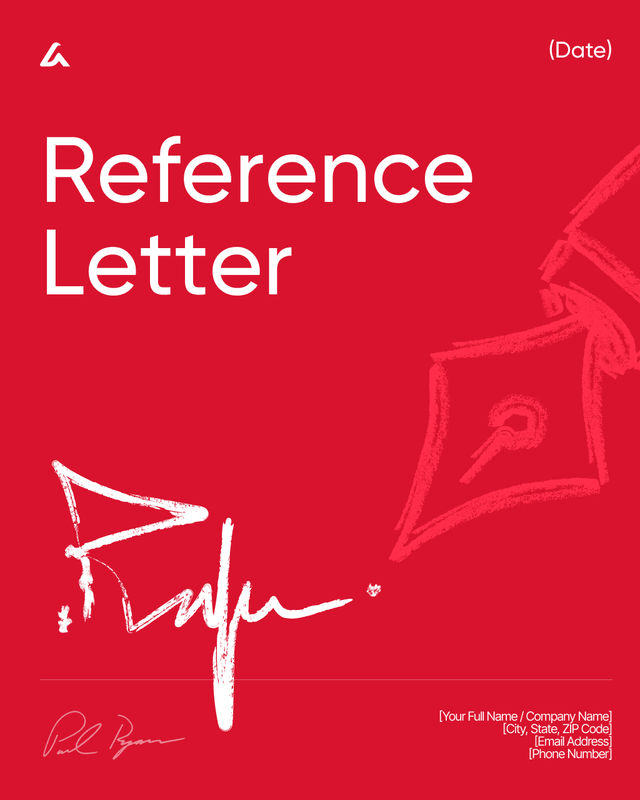
Download the free FOIA Request Letter Template or customize one with our AI Generator then have a local attorney review before you sign.


1. What Is a FOIA Request Letter?


A FOIA Request Letter is a written request sent to a government agency asking for access to public records under the Freedom of Information Act or a similar local transparency law. It is used to request agency policies, emails, memos, datasets, reports, contracts, historical records, or other documents that are not automatically published.

FOIA law gives the public the legal right to review government-held information unless it falls under an exemption such as national security, privacy protections, internal deliberations, or law enforcement-sensitive material.

A FOIA request must be clear, specific, and properly directed to the agency’s FOIA office so it can be processed efficiently.


2. Why FOIA Request Letters Matter in 2026?


FOIA remains one of the most significant transparency tools available. It ensures accountability by requiring agencies to release information upon request, unless a legitimate exemption applies.

In Fiscal Year 2024, federal agencies processed over 1.499 million FOIA cases, reflecting the importance and volume of public demand for government transparency.

In 2026, more data, communication, and decision-making take place digitally. This increases public interest in obtaining documentation and metadata such as emails, datasets, AI system outputs, procurement records, and policy drafts. A structured FOIA Request Letter helps individuals and organizations obtain this information in a legally valid, trackable way.


3. Key Clauses and Components


  • Requester Information: Your full legal name, mailing address, email, and phone number for agency correspondence.


  • Statement of the Act: A sentence citing the Freedom of Information Act (5 U.S.C. § 552) or your local FOI law.


  • Description of Requested Records: A clear and specific description of the documents, data, files, or materials you want.


  • Preferred Format: Specify whether you want digital files, PDFs, printed documents, or machine-readable formats.


  • Fee Category & Fee Limits: Identify your fee category (news media, educational, commercial, or “other”) and set a maximum fee you authorize.


  • Request for Expedited Processing (If Applicable): Provide justification, when necessary, such as matters of public urgency or safety.


  • Request for a Fee Waiver (Optional): Explain how releasing the information serves the public interest.


  • Delivery Instructions: Indicate where the response and documents should be sent.


  • Privacy & Exemption Handling: Ask the agency to release all reasonably segregable portions of exempt records.


  • Certification of Truthfulness: Some agencies require the requester to certify that statements are true and accurate.


  • Signature: Either handwritten or digital.


4. Legal Requirements by Region


  • Federal FOIA (U.S.): Governed under 5 U.S.C. § 552, applying to federal agencies only.


  • State FOI Laws: Each U.S. state has its own version of FOIA; requirements vary widely for processing times and exemptions.


  • Local Government Transparency Rules: Counties, municipalities, and school districts often maintain separate request procedures.


  • International FOI Laws: Countries like the UK, Canada, Australia, and India have their own transparency laws requiring unique formats and timelines.


  • Retention & Disclosure Requirements: FOIA applies only to existing records, not to creating new explanations or reports.


  • Attorney Review: Helpful for complex, multi-agency, or legally sensitive requests.


5. How to Customize Your FOIA Request Letter?


  • Define the Scope Narrowly: Tailor your request to specific dates, departments, keywords, or document types.


  • Match Agency Structure: Align your request with the agency’s internal divisions or known record-keeping systems.


  • Specify Preferred Formats: Choose digital files to reduce fees and speed up delivery.


  • Adapt for Media or Research: Add language tailored to news gathering or academic public-interest work.


  • Add Public Interest Justification: Useful for fee waivers and expedited processing.


  • Confirm Agency FOIA Contact: Some agencies require online portal submissions instead of email.


6. Step-by-Step Guide to Drafting and Submitting


  • Step 1-Identify the correct agency: Confirm which agency actually holds the records.


  • Step 2-Check agency guidance: Review its FOIA page for submission instructions and limitations.


  • Step 3-Draft a clear description: Use keywords, date ranges, and subject matter to make searching easier.


  • Step 4-State fee limits and category: Setting limits prevents unexpected invoices.


  • Step 5-Add delivery and contact details: Give the agency multiple ways to reach you.


  • Step 6-Submit through the correct channel: This may be email, a portal, mail, or fax.


  • Step 7-Track your FOIA case number: Agencies must assign a tracking number for all incoming requests.


  • Step 8-Follow up when needed: If the statutory response deadline passes with no reply, you may file an appeal.


7. Tips for Faster FOIA Responses


Be extremely specific:

Ambiguous requests lead to delays or denials.


Limit the date range:

Narrow timeframes reduce search burden.


Use known terminology:

Agencies respond faster when you use their own program names, office titles, or system terms.


Ask for digital delivery:

Electronic files cost less and arrive sooner.


Avoid overly broad “all records” requests:

These trigger long backlogs or high fees.


Follow up politely:

Agencies often respond faster when communication remains professional and concise.


8. Checklist Before You Finalize


  • Your full contact information is included


  • Records requested are clearly and specifically described


  • Fee category and fee limits are stated


  • Preferred delivery format is included


  • Citations to FOIA or local law are correct


  • Request for fee waiver or expedited processing (if needed)


  • Instructions for segregable portions included


  • Submission method matches agency requirements

Download the Full Checklist Here


9. Common Mistakes to Avoid


  • Submitting to the wrong agency: FOIA applies only to agencies that actually hold the records you seek.


  • Being overly broad: Vague or sweeping requests often lead to delays or denials.


  • Not setting fee limits: This can result in unexpectedly high charges.


  • Ignoring exemptions: Some records will be partially withheld; request all “reasonably segregable” parts.


  • Skipping follow-ups: Agencies may miss deadlines without reminders.


10. FAQs


Q: What is a FOIA Request Letter?
A: A FOIA Request Letter is a formal written request for access to public records under the Freedom of Information Act. It ensures your request is clearly documented, legally valid, and directed to the correct agency so it can be processed efficiently.

Q: Why is a FOIA Request Letter important?
A: It establishes a formal record, ensures compliance with statutory timelines, and strengthens your legal position if an agency fails to respond. It also helps agencies process your request more accurately by providing necessary details upfront.

Q: Who can submit a FOIA request?
A: Anyone citizens, residents, organizations, journalists, attorneys, researchers, or businesses. FOIA has no citizenship requirement, although certain records may still be withheld under privacy, security, or law-enforcement exemptions.

Q: What types of records can be requested?
A: Policies, emails, memos, reports, datasets, contracts, budgets, communications, and historical files. Agencies must release any non-exempt portion of a record that they reasonably segregate from exempt information.

Q: What if the agency denies my FOIA request?
A: You may file an administrative appeal. If denied again, you can pursue judicial review. FOIA provides strong appeal rights, especially when agencies fail to justify exemptions or ignore deadlines.


Disclaimer


This article is for informational purposes only and does not constitute legal advice. Laws vary by jurisdiction and change over time. Always consult a licensed attorney in your region before drafting, signing, or relying on a FOIA Request Letter.


Get Started Today


A properly written FOIA Request Letter helps you access public information efficiently and confidently. It protects your rights, speeds up agency processing, and reduces misunderstandings by setting out your request clearly and professionally.

Download the free FOIA Request Letter Template or customize one with our AI Generator — then have a local attorney review before you sign.

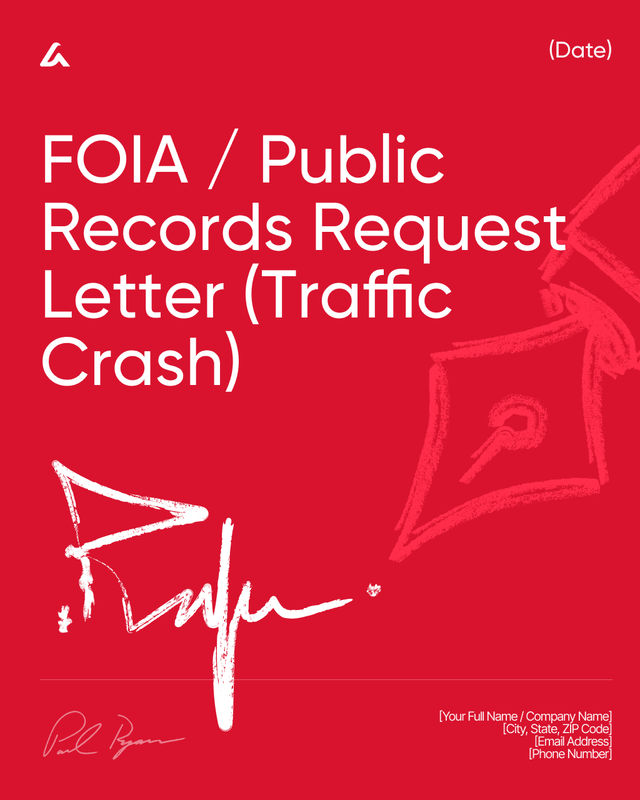
FOIA Request Letter
FOIA Request Letter
FOIA Request Letter
FOIA Request Letter
Flash deal

Today

No time to read? AI Lawyer got your back.

What’s Included

Legal Research

Contract Drafting

Document Review

Risk Analytics

Citation Verification

Easy-to-understand jargon

Table of content:

Label

Flash deal

Today

No time to read? AI Lawyer got your back.

What’s Included

Legal Research

Contract Drafting

Document Review

Risk Analytics

Citation Verification

Easy-to-understand jargon

Table of content:

Label

Flash deal

Today

No time to read? AI Lawyer got your back.

What’s Included

Legal Research

Contract Drafting

Document Review

Risk Analytics

Citation Verification

Easy-to-understand jargon

Table of content:

Label

Flash deal

Today

No time to read? AI Lawyer got your back.

What’s Included

Legal Research

Contract Drafting

Document Review

Risk Analytics

Citation Verification

Easy-to-understand jargon

Table of content:

Label

Money back guarantee

Free trial

Cancel anytime

AI Lawyer protects

your rights and wallet

🌐

Company

Learn

Terms

©2025 AI Lawtech Sp. z O.O. All rights reserved.

Money back guarantee

Free trial

Cancel anytime

AI Lawyer protects

your rights and wallet

🌐

Company

Learn

Terms

©2025 AI Lawtech Sp. z O.O. All rights reserved.

Money back guarantee

Free trial

Cancel anytime

AI Lawyer protects

your rights and wallet

🌐

Company

Learn

Terms

©2025 AI Lawtech Sp. z O.O. All rights reserved.

Money back guarantee

Free trial

Cancel anytime

AI Lawyer protects

your rights and wallet

🌐

Company

Learn

Terms

AI Lawtech Sp. z O.O.

©2025